

The Psychological Triggers of Gambling
Understanding the psychological triggers that draw players to casinos can provide invaluable insight into gambling behavior. One of the primary factors is the thrill of risk-taking. Many individuals are attracted to the adrenaline rush associated with gambling, where the potential for a significant win heightens their excitement. This thrill can create a feedback loop, encouraging players to return in search of that exhilarating feeling, particularly when engaging in anonymous betting activities.
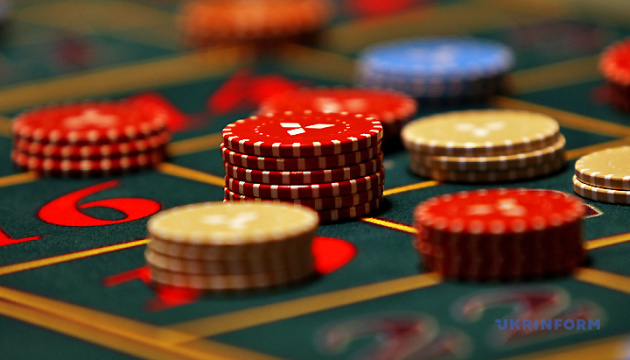
Additionally, the design and atmosphere of casinos are meticulously crafted to engage the senses. From the vibrant colors of the slot machines to the sounds of coins and cheers, these elements are intentionally used to evoke emotional responses. The environment is designed to distract players from the passage of time and the amount of money being spent, which can lead to longer play sessions and increased spending.
The Role of Cognitive Biases in Gambling
Cognitive biases play a significant role in shaping how players perceive their chances of winning. For instance, the ‘gambler’s fallacy’ leads individuals to believe that past outcomes influence future results, even in random games. This misconception can cause players to chase losses or feel more confident after a series of losses, ultimately leading them to wager more than they initially intended.
Another common bias is the illusion of control, where gamblers believe they can influence the outcome of games based on their actions. This belief can manifest in behaviors like strategizing for games of chance, such as slots or roulette, where the outcome is entirely random. These cognitive distortions can perpetuate gambling behavior, leading to increased risks and potential losses.
Emotional Factors Influencing Player Behavior
Emotions significantly impact gambling behavior, often driving players’ decisions at the casino. Many individuals seek out gambling as a means of escape, using it to cope with stress, sadness, or boredom. This emotional engagement can lead to a cycle of reliance on gambling as a coping mechanism, which can be detrimental in the long run.
Moreover, positive feelings associated with gambling, such as excitement after a win or social bonding experiences with others, can create a strong emotional attachment to gambling activities. These emotions reinforce the attraction to casinos and can make it difficult for players to recognize when their gambling habits may be becoming problematic.
The Influence of Social Dynamics in Casinos
Social factors also play a critical role in player behavior within casinos. The presence of others can create a unique atmosphere that encourages gambling. Many players are influenced by their peers, whether through social pressure to participate or the communal experience of celebrating wins together. This social interaction can enhance the overall gaming experience, making players more prone to join in and continue playing.
Additionally, casinos often use promotional strategies like tournaments and group events to foster a sense of community among players. These social events can create an environment where individuals feel more inclined to gamble, as they perceive it as a fun, shared activity rather than a solitary endeavor.

Your Safety and Security on Our Site
As you explore the fascinating world of casino psychology and player behavior, prioritizing your online security is essential. Our website is designed with your safety in mind, implementing strong protective measures to ensure a secure browsing experience. If you encounter any issues accessing our site, we encourage you to reach out to us for assistance.
We appreciate your understanding and commitment to privacy. As you delve deeper into the world of gambling, remember that informed decisions will enhance your experience and keep you safe. We are here to support you every step of the way as you navigate the intriguing landscape of casino psychology.